
REAL-WORLD WORKFLOW SCENARIOS

Small gaps.
Big downstream delays.

Illustrative scenarios show how unclear documents and unowned handoffs affect doctor’s offices, DME teams and billing. Every example below is fictional.

SYNTHETIC DOCUMENT COMPARISON

See the gap before
it becomes another callback.

These teaching images compare incomplete evidence with a clearer review packet. They are not clinical templates, valid orders or a complete payer checklist.

Compare the same handoff.

Move the slider to reveal the reviewed example, or choose a full view. Then explore the four checks below.

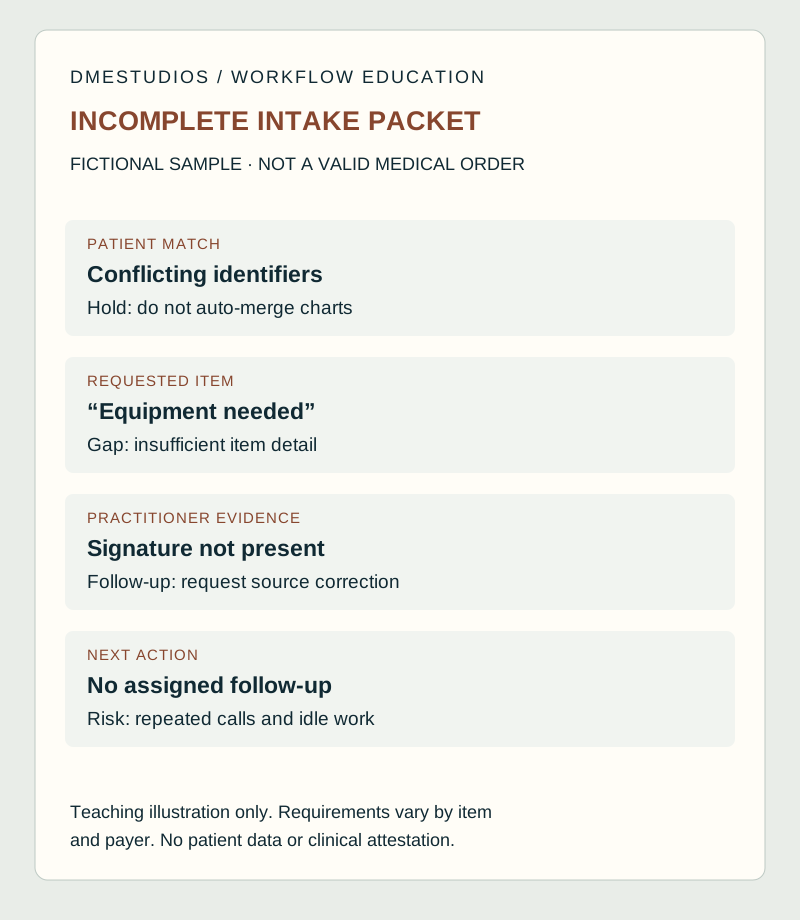
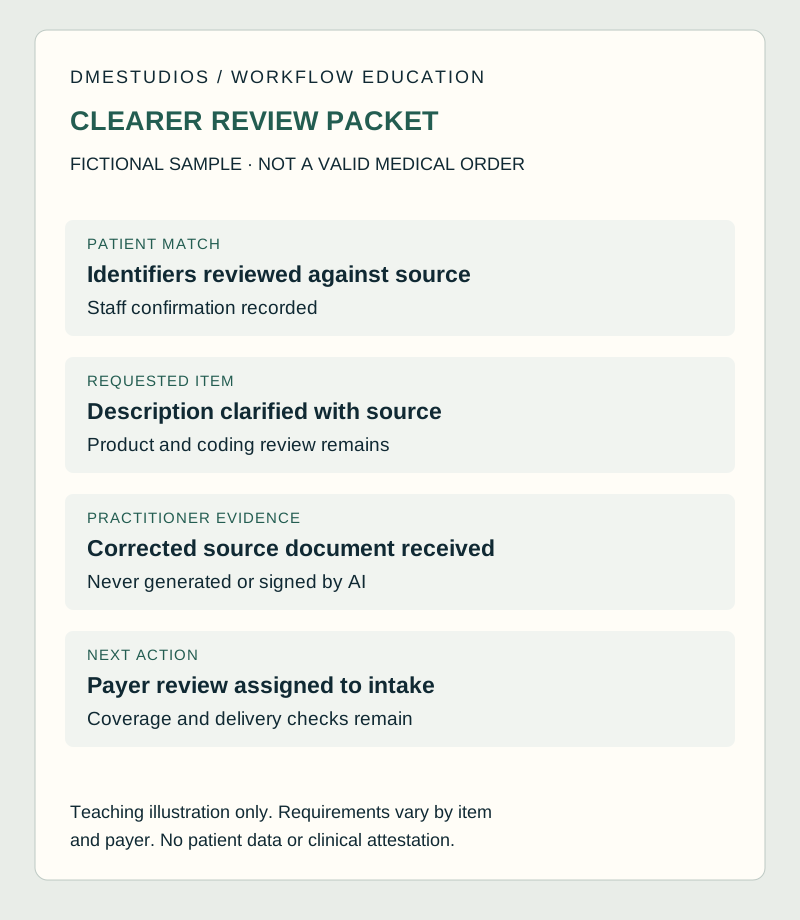
Incomplete fictional packet: conflicting identifiers, vague equipment description, missing signature and no follow-up ownerClearer fictional packet: reviewed identifiers, clarified item, corrected source received and review assigned
INTAKE / PATIENT MATCH

Resolve the identity conflict.

Similar names are not enough. Compare the authorized source identifiers and put uncertain matches in a staff review queue before attaching a packet.

Fictional teaching images. A clearer packet still requires applicable clinical, payer and operational review. Source corrections must come from the responsible person.

REFERRING OFFICE → INTAKE

The unsigned order keeps circling.

Trigger: the incoming packet lacks a required signature. Intake records the specific gap, assigns follow-up and requests the practitioner’s correction. A received source document is reviewed before work advances. Track packet age and repeated requests.

PAPER → PATIENT ACCOUNT

A record lands in the wrong chart.

Trigger: similar names and conflicting identifiers. Hold the ambiguous match, compare the authorized source records and require staff confirmation. Preserve the original and the correction history. Track unresolved matches and rework.

ORDER → DELIVERY

A product description is too vague.

Trigger: the request does not identify the needed item clearly enough. Clarify the source order, review the product and code reference, then check applicable documentation and authorization. Track holds by reason and owner.

DELIVERY → BILLING

A delivered item never reaches review.

Trigger: delivery evidence and the billing queue disagree. Reconcile the records, check previous billing, payer deadlines and required evidence, then assign the qualified billing review. Track reconciled exceptions, not hypothetical revenue.

PATIENT HISTORY → FOLLOW-UP

A recurring need loses its next step.

Trigger: an older record suggests a follow-up opportunity. Confirm current need, patient preferences and applicable eligibility before outreach or an order. Track reviewed opportunities and reasons they are closed.

REFERRAL SOURCE → SERVICE DESK

The office cannot get a status answer.

Trigger: a referral has no accountable owner. Assign the next action and use an approved communication channel for a status update. Track response time and unresolved requests by office.

Correct the process.
Preserve the evidence.

AI can assist with organization and flagging. Staff confirm uncertain matches and missing information. Only the responsible source can supply or correct clinical documentation; the workflow must not invent it.

Show us your bottleneck.

Describe the business problem without patient details. We can scope a guided demonstration and define the measures that would show improvement in your operation.

Walk through my workflow